PLATEN GEOMETRY ENGINEERING
3x5 vs 4x7 Rosin Press Plates: Platen Area, Bag PSI & Batch Capacity Compared
3x5 inch platens (15 sq in) are ideal for pressing 3.5g to 14g batches using a 4-ton to 10-ton press, whereas 4x7 inch platens (28 sq in) handle 14g to 35g batches but require 12 to 20 tons of ram force to reach 1,000 PSI.
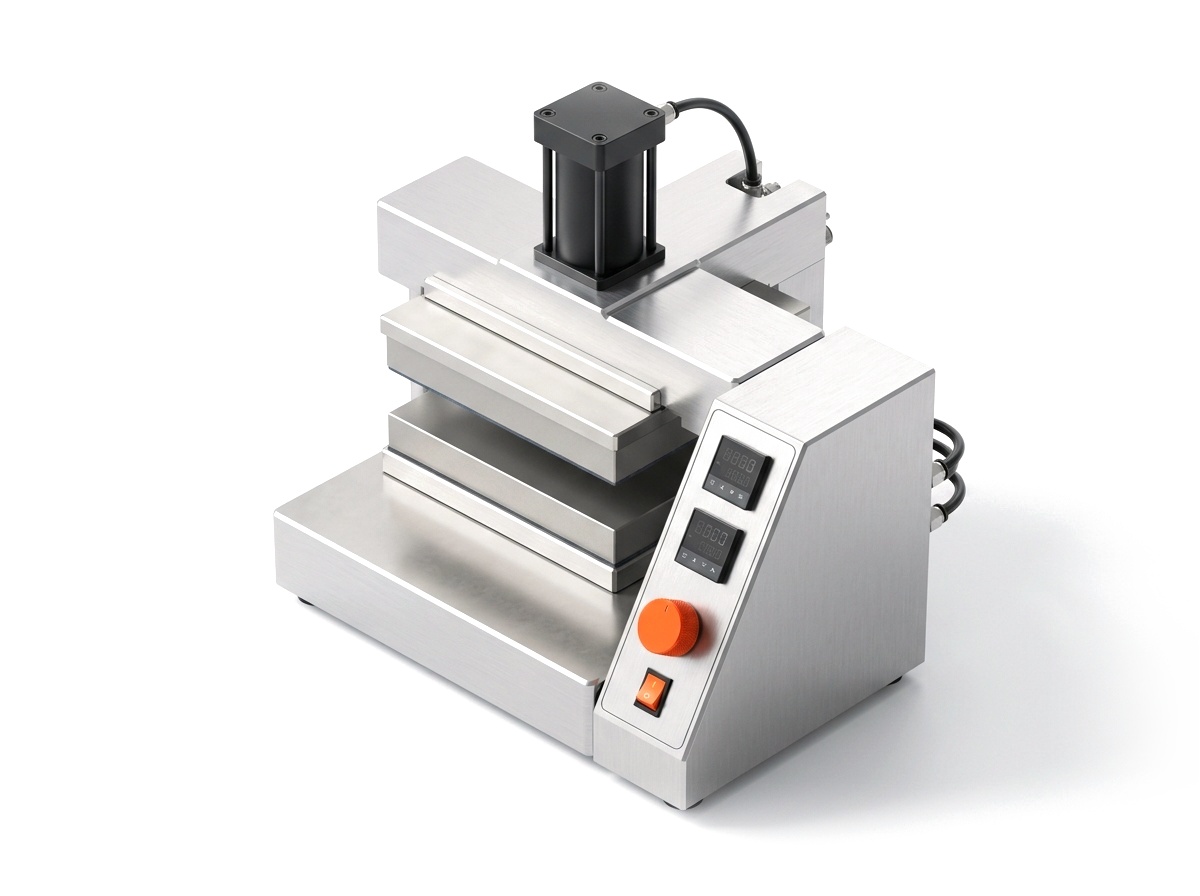
CONTENDER A VERDICT
3x5 Inch Platens (Best for 3.5g-14g Runs & Fast Perimeter Escape)
CONTENDER B VERDICT
4x7 Inch Platens (Best for 14g-35g Commercial Hash & Flower Batches)
Side-by-Side Quantitative Engineering Comparison Table
| Comparison Parameter | Option A Specification | Option B Specification | Lab Winner / Advantage |
|---|---|---|---|
| Total Platen Surface Area | 15.0 sq in | 28.0 sq in (+87% Larger Area) | 4x7 in (Higher Batch Volume) |
| Force Needed for 1,000 Platen PSI | 7.5 Tons (15,000 lbs) | 14.0 Tons (28,000 lbs) | 3x5 in (Requires Smaller Jack) |
| Ideal Micron Bag Sizes | 1.75x3 in, 2.0x4.0 in, 2.0x4.5 in | 2.5x4.5 in, 3.0x6.0 in | Match to Typical Batch Weight |
| Flower Capacity Per Press | 3.5g to 14.0g | 14.0g to 35.0g | 4x7 in |
| Thermal Dwell Risk on Small Runs | Minimal (Rosin Escapes Hot Zone Quickly) | Higher if Pressing <7g (Oil Sits on Hot Plate) | 3x5 in |
Interactive Platen & Bag Footprint PSI Calculator
Interactive Rosin Platen & Bag Footprint PSI Calculator
Calculate both Platen-Level PSI and True Bag-Level PSI. Hydraulic gauge pressure is NOT bag PSI: a 10-ton press on a 2x4 inch bag delivers 2,500 PSI at the mesh, which will cause an instant blowout unless throttled.
Platen Area
15.0 sq in
Platen-Level PSI
533 PSI
Actual Bag-Level PSI
1000 PSI
Ideal Ram Target
3.40 Tons (6800 lbs)
Safety Verdict
OPTIMAL SOLVENTLESS ZONE
All 13 Solventless Head-to-Head VS Comparisons
- NugSmasher vs Dabpress (2026): True Bag PSI, Platen Uniformity & Value Compared
- Lowtemp Plates vs PurePressure (2026): Commercial Hash Rosin Presses Compared
- Dulytek vs Rositek (2026): Budget Home Rosin Presses Compared by True Bag PSI
- Harvest Right Pharmaceutical vs Home Pro Freeze Dryer for Bubble Hash
- Hydraulic vs Pneumatic Rosin Press: Pressure Control, Maintenance & Cleanroom Guide
- 3x5 vs 4x7 Rosin Press Plates: Platen Area, Bag PSI & Batch Capacity Compared
- 25u vs 37u Rosin Bags: Which Micron Mesh Is Better for Bubble Hash & Dry Sift?
- 90u vs 120u Rosin Bags for Flower: Clarity vs Maximum Yield Compared
- Bottle-Tech vs Chottle-Tech vs Flat Packing: Which Rosin Bag Technique Yields More?
- Cold Cure Badder vs Warm Cure Rosin Jam (Jar Tech): Temperature, Time & Stability
- WPFF Live Hash Rosin vs Cured Trim/Bud Hash Rosin: Yield, Color & Terpenes
- Ice Water Bubble Hash Rosin vs Static Dry Sift Rosin: Purity, Labor & Yield
- Postless Ceramic vs Cotton-Wick 510 Cartridges for Live Rosin Vape Pens